
Affiliate websites have come a long way in recent years, from doorway-like pages with a few tables with referral links to quite decent niche-themed sites. Let's take a quick look at what is happening today and in what direction the emphasis has shifted. I've tried to make everything as close to my practice as possible.
Monetization
As I wrote earlier on Twitter, I have come to mixed monetization of sites through Amazon + Ezoic. Dropping off the aggressive tables at the beginning of the texts and switching to organically embedded products straight in content, often by regular text links or single product blocks. On product review pages, I've turned off the display ads not to reduce CTR.
All in all, 100 US-traffic unique visitors/day brings in about $100 a month. On mixed product/informational intent traffic. For example, on the site about reptiles, the main income from the product pages will be from Amazon sales of lamps, fillers, and glass terrariums. Plus additional income from contextual ads on pages about types of lizards/turtles, food, tips on care, etc.
You need branded products on informational articles to increase revenue from contextual advertising pages. Bids on brands and "commercial" content are about two times higher than the rest of the how-tos. Writing about turtle nutrition facts? Mention top brands in some way. Simple as that.
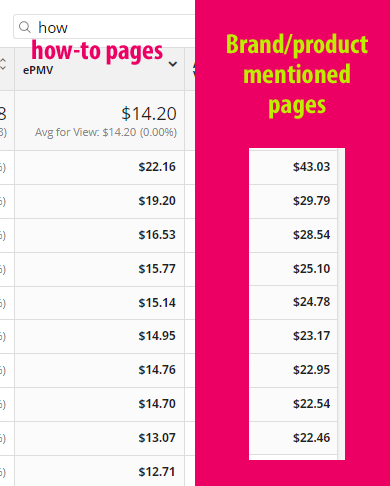
Make it more diverse but related to a specific topic. So different types of content could actually get traffic without any link-building. Get perfection in on-page optimization, site structure, and content. Check the proportions of article quantity and revenue in different niches, for example, at Minted Empire (or any other public report with data) - here to get the idea.
Specifically for context, the income per thousand visitors varies greatly depending on what ads network to use. The contextual "food chain" looks like this - Adsense < Ezoic < MediaVine < Adthrive. Each increase is about half of the previous. Ezoic brings more from the same traffic than Adsense and so on.
Amazon, by the way, raises commission rates recently. Even on small sites, it can look quite good:

Choosing a Niche and Keywords
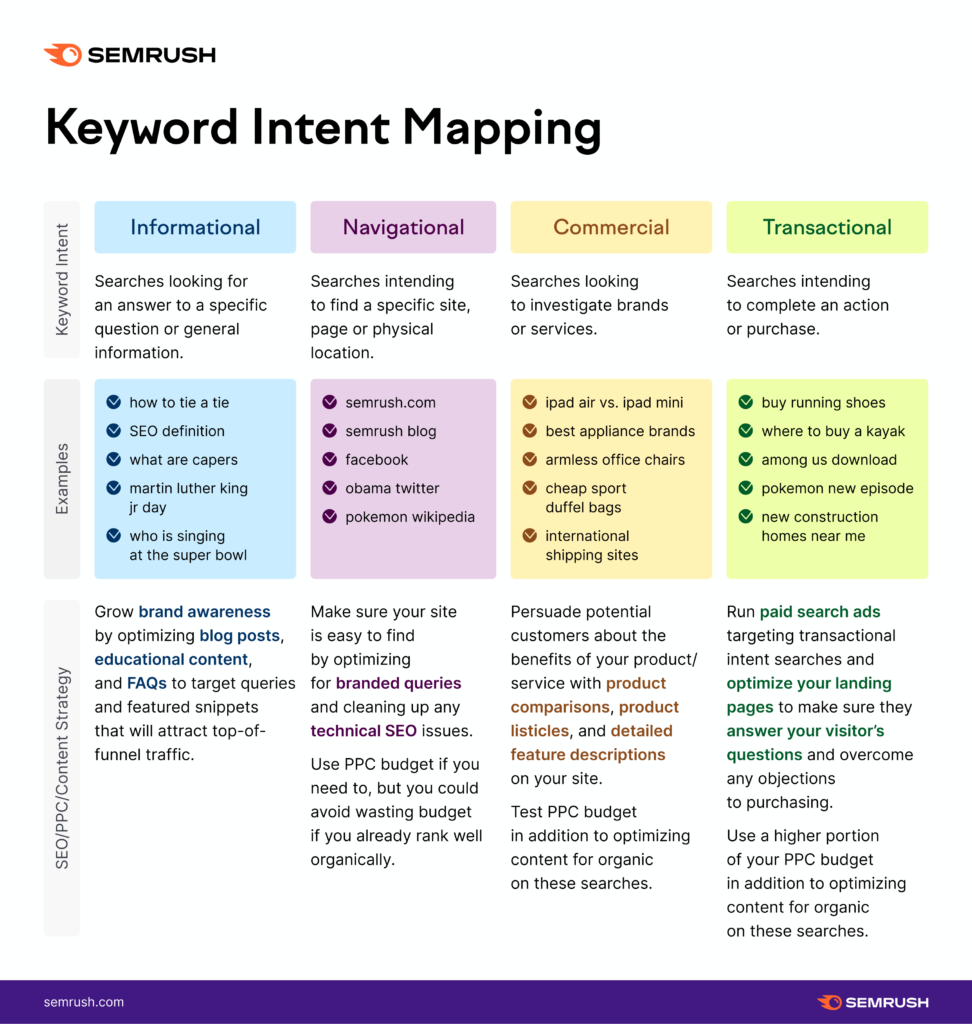
And the most troubling question - "Which niche to enter?". The answer is quite trivial tho. The one with traffic and commercial content search volume. A good infographic from Semrush below:
Ahrefs + Lowfruits still work great. Ahrefs is still good for keyword lookup from competitors and it's filters, while Lowfruits is for the final check-up of what to create content for. Roughly speaking, the first is to search for a niche, and the second is for a more detailed selection of keywords for articles.
As an example, let's look at how major retailers are ranked in the States. This also could be a local, more specialized store in any other niche. Start searching for something on the store website itself and look at the URL. Look for top search results that are occupied by automatically created search pages ("Top Pages" in Ahrefs). If google places at top SERP results such pages, then there is a lack of content and not much to choose from. A good sign.
An example of the auto-generated search pages of major retailers:
www.bestbuy.com/site/searchpage.jsp

www.wayfair.com/keyword.php

www.costco.com/CatalogSearch
Simply put them in Ahrefs and drop down a filter on the KD. Include (form field) keywords for your specific niche (food, dogs etc.) and sort it in an even more specific way. For example:
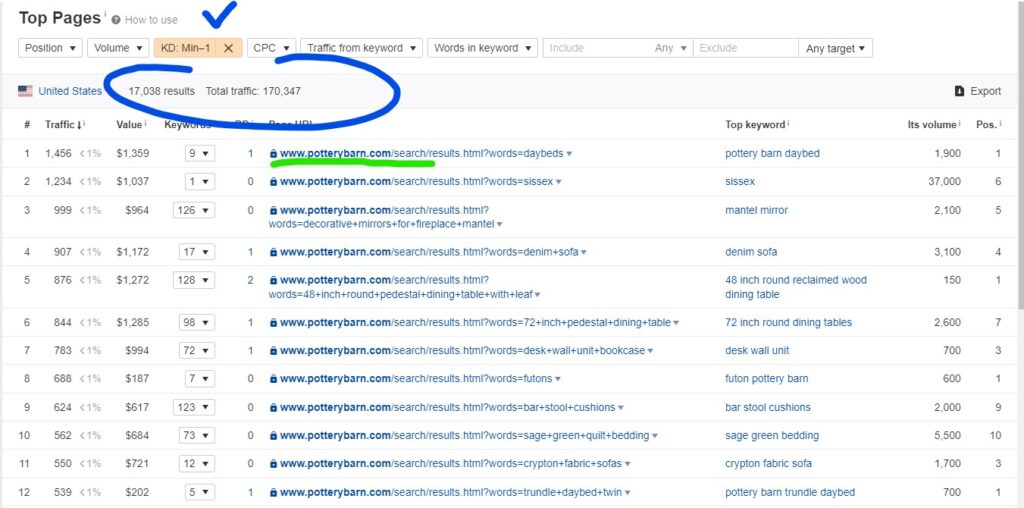
What are we looking for? Keywords like this:
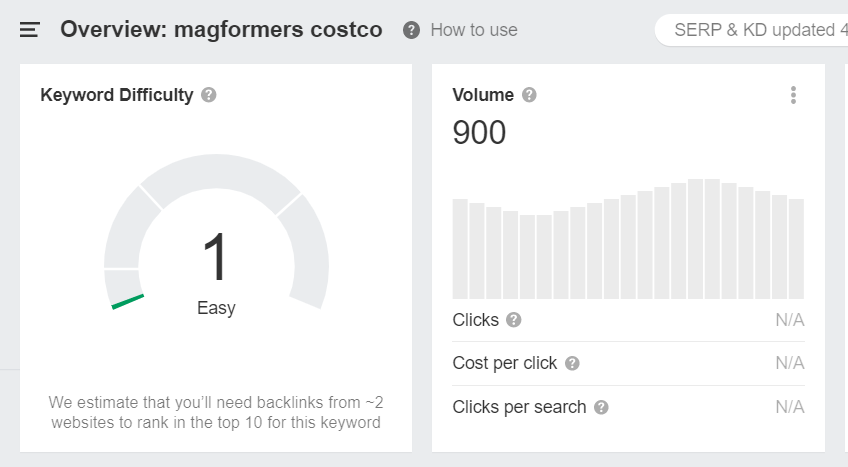
Looking for SERP results with low-quality or irrelevant content:
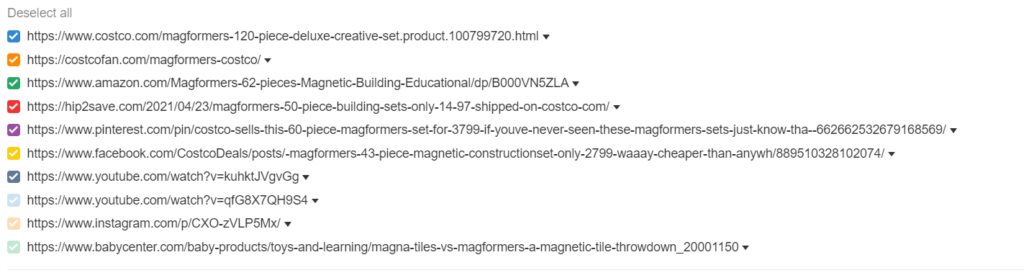
If you dig further, there are commercial and informational intent keywords with a separate sub-niche for magnetic toys.
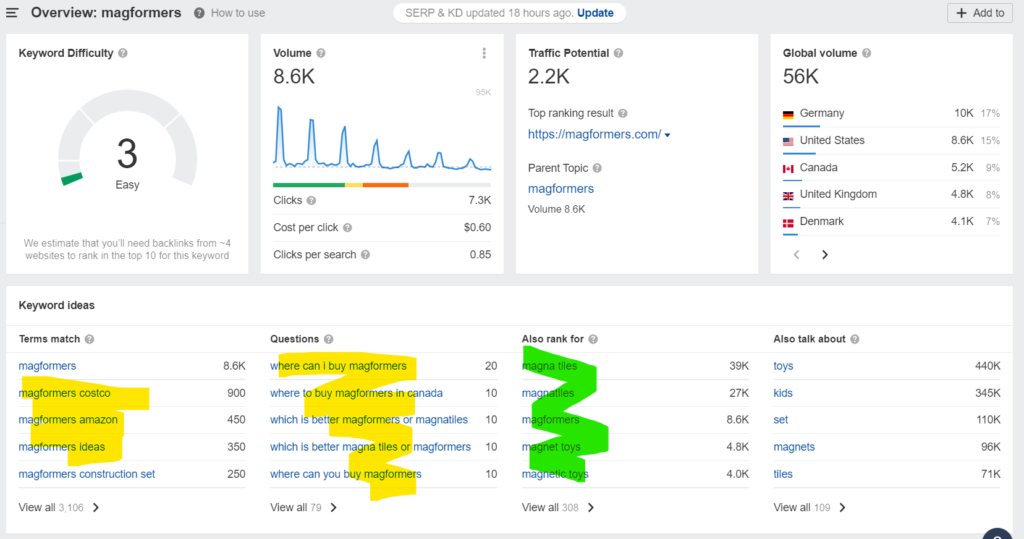
And use Lowfruits to get these in detail.
Here is a more detailed look at Lowfruits. A convenient categorization with quick filters, even without throwing credits in any analysis is worth trying to see where to move on with the content.
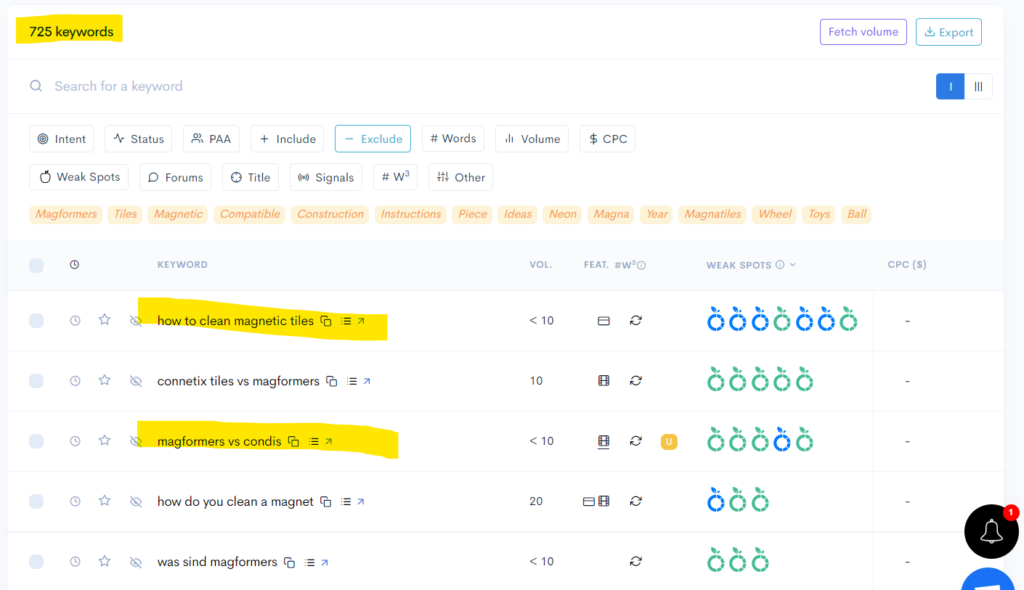
Content Creation
As usual, I do not see a single reason not to use Jasper. Work separately with informational articles and make the structure for long-tail queries. Then implement a "brand swap" (great reading here, from Niche Twins) which would immediately get 10-20-50 articles. They will rank exactly the same as the rest of the content on your niche site.
What it looks like in practice
Make a list of brands in your niche, let's say motorcycles:
- Suzuki
- Honda
- Kawasaki
- KTM
- Husqvarna
- Sherco
And write out the first informational article, such as "Yamaha quad bike does not start. What to do?". It turns out that 90% of the tips from this article will be relevant to ALL other brands. That 10% of differences in models of various brands will be necessary to crawl through forums/SERP and so forth and added with a Jasper. Get high CPC articles with "branded" traffic the smart way.
Consider the example of a site I've recently seen on sale. The cluster "<brand> Top Speed" is formed exactly this way: https://www.offroadcare.com/yamaha-ttr-125-top-speed-review/

This does not mean that you have to produce garbage pages from this semantics, but that's the point, that often competitors differ very slightly on the nuances of characteristics. Just bring in some fresh relevant content. Google perfectly indexes such articles on niche sites and all the myths about filters for duplicate content are nothing more than myths (link to tweet with Mueller's answer).
Add to this the fact that Google does not always clearly distinguish commercial and informational content queries (table above from Semrush) and willingly mixes informational posts in purely commercial SERP results with product names etc. Simply because of the lack of any other content types. I hope that there is no need to point out that doing informational articles for commercial content queries is a smart idea.
Common Approaches and Patterns
Okay, we selected the niche and keywords for it, what's next? First, it will be useful to structure everything by sections and form HUB-pages of categories and not just dump them in a list.
Read more here:
- How to Build Category Pages for SEO [Master Guide]
- Content Hubs for SEO: How to Get More Traffic and Links With Topic Clusters
- Site Architecture: How To Beat High-Authority Sites With Fewer Links Using Proper SEO Silo Structure
Secondly, do not be lazy and fill the keywords for automatic internal linking. I use free Internal Link Juicer and it works like a charm. Now it's much easier to see all the interlinking and achors:

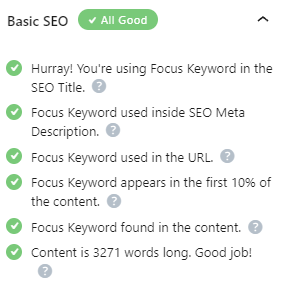
Third, use the free RankMath again. Yes, it's a very trivial thing with a list of reminders of what to include in the post, but it's convenient and it does work. Also, go for Gutenberg, the new editor in WordPress is good.
I prefer Popcorn Theme lately as the main template right now. Don't spend much time here and configure it step by step from this video. Fast and adaptive for mobile.
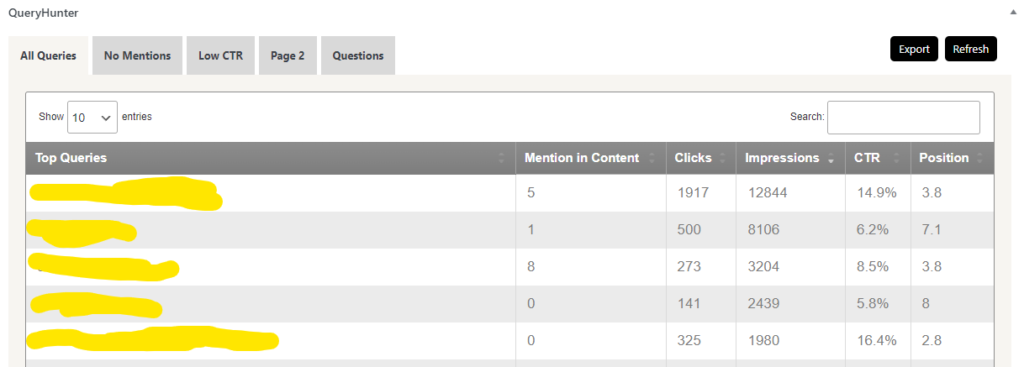
Next, when the site will grow up get a QueryHunter, which will pull up low-level queries from Google and PAA. Optimize existing articles and add more fresh content for that queries.
Next, register a fresh domain, and take FAST hosting, which will be green on all Google checks.
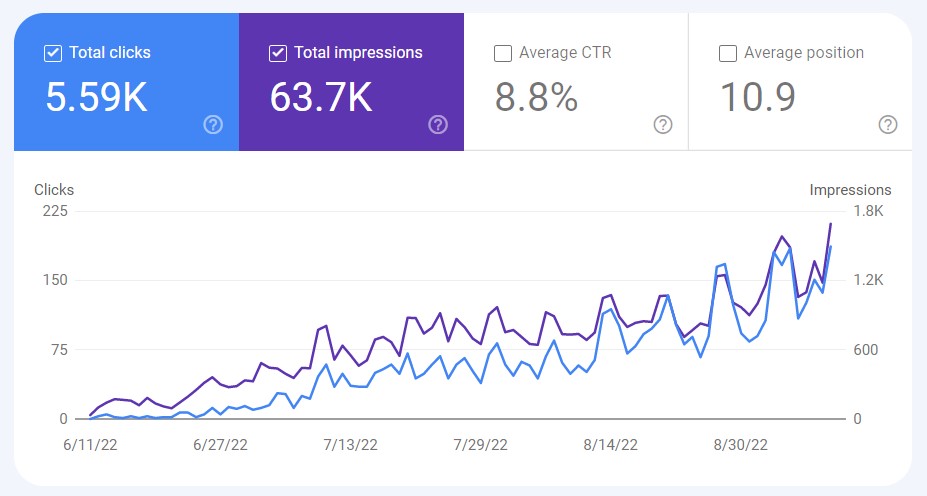
If everything is done correctly, begin to fill content and watch the growth. From a fresh domain, not even a reference yet.
Linkbuilding
Now, you have access to analytics, almost "free" content, and an understanding of how to build it all up. Don't mess with PBN's. Sign up for HARO, respond to a mailing list with content from Jasper, get backlinks, and slowly pump in the domain. Here is the sample.
Selling Website
Current multipliers are around X32-X36 of average monthly income.
- Motion Invest - for sites with income up to $500/month.
- Investors Club - for sites with income from $500 to $2000/month.
- Empire Flippers - for sites from $2000 and beyond.
Everyone will take their fees but use the broker. It's always safe.
Startup budget
And putting everything into numbers.
- Ahrefs - $100 (enough for a one-time start).
- LowFruits - $100 (also depends on how you use it).
- Jasper - $ 80/month.
- Popcorn Theme - $100 (enough for one time)
- Hosting - $250/year
Somewhere around thousand bucks to start. Is it that big to start? This is a rhetorical question, but as a business, niche websites are great. I hope this post will be helpful to those who are looking for some info on where to put their efforts and have been hesitant to start. Thanks for reading and good luck!
Leave a Reply