
Hydroton Expanded Clay Pebbles are a great way to grow your plants! These pebbles are made from clay that has been expanded with water and heated. They can be used in greenhouses, indoors, or outdoors. When they expand the pebbles absorb water like a sponge so you don't have to worry about watering them as often. This article will answer common questions about Hydroton Expanded Clay Pebbles as well as provide reviews of the product and useful tips on how to use it for success!
| Image | Product |
|---|---|
Best Overall  | Mother Earth 714123 Hydroton Original Expanded Clay Pebbles
|
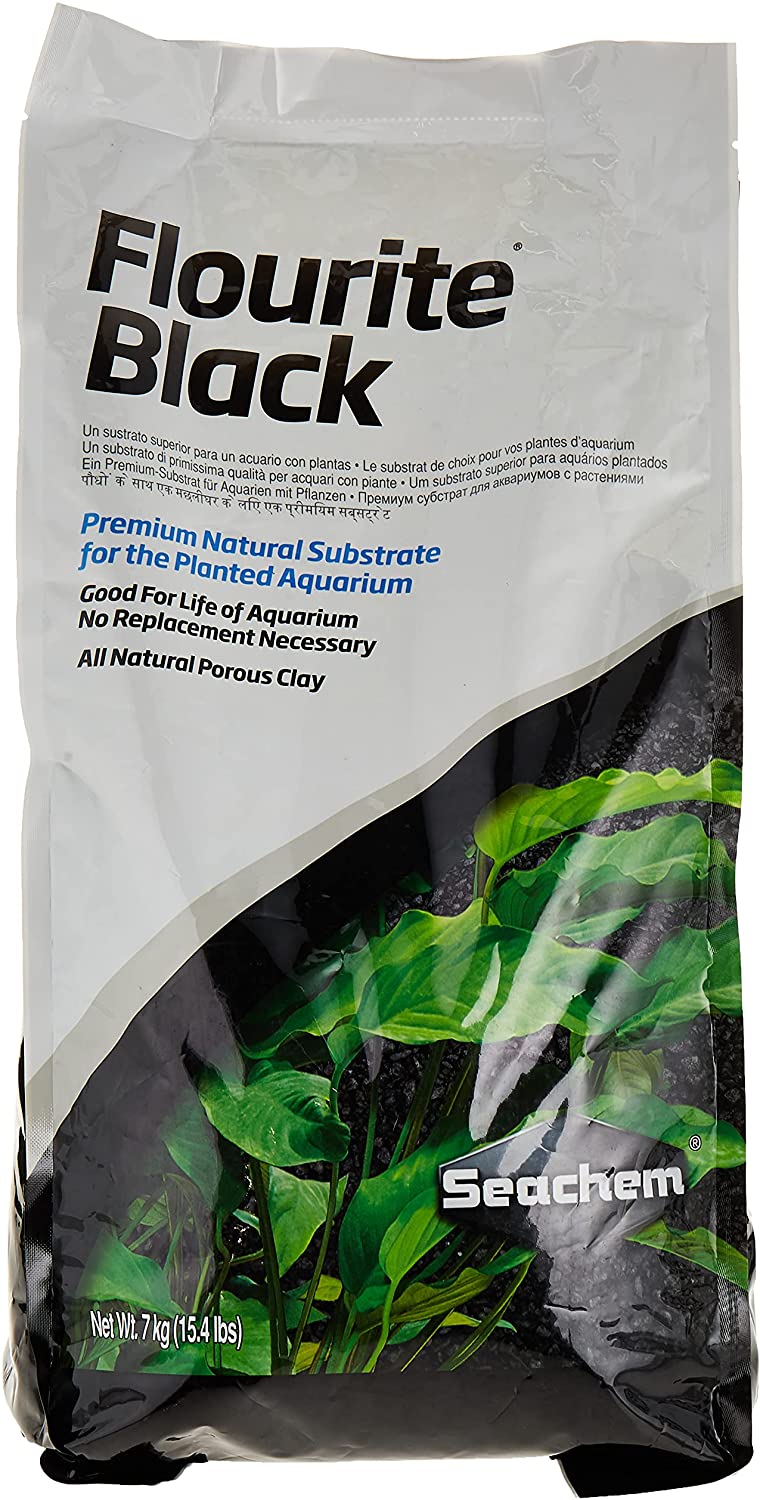 | Seachem Flourite Black Clay Gravel
|
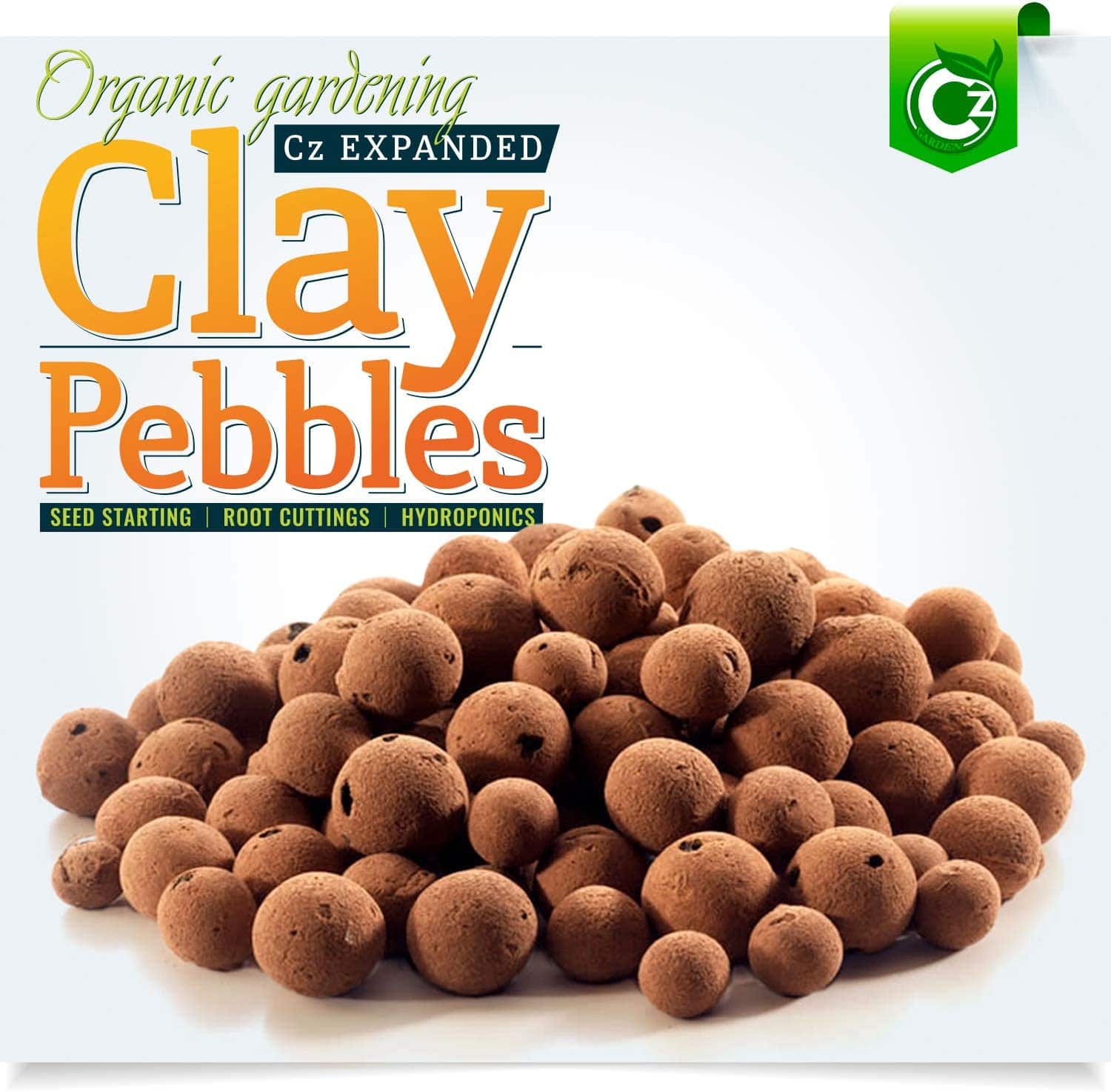 | Organic Expanded Clay Pebbles Grow Media
|
What Are Expanded Clay Pellets?
Expanded clay pellets are a soil amendment that can be used in numerous ways for your garden. They are made from siltstone and shale quarried locally! The pebbles expand to about six times their original volume when water is added, which gives them the ability to retain more water than common potting soils or other substrates like composted bark. This allows plants with small root systems, such as cacti and succulents, to flourish while still having plenty of moisture available at all times.
The expanded clay pebbles come in two different sizes: large (for use on top) and medium-sized (to mix into pots). They have an airy composition which allows them to aerate the soil in order to prevent compaction, which is often an issue when using heavier materials such as bark or gravel.
The soil amendment also provides nutrients for plants because it can hold more water than most substrates and has a natural pH of around neutral seven. When deciding where to purchase them, take into account that the medium-sized pebbles are much less expensive but will require mixing with the potting mix before use in order to provide acceptable drainage (the large size does not).
Why clay pebbles are one of our top picks for small growers
Clay pebbles are a top pick for small growers because they are more affordable than other substrates and don't take up much space. They are also lightweight, which makes them easier to work with and less taxing on the back muscles.

One of the drawbacks is that they don't have a high water retention capacity; you can increase this by adding perlite or other moistening agents, however, it will take more time for your plants to root in clay pebbles than in those substrates mentioned above.
Another consideration when using these medium-sized expanded clay pellets as an organic potting mix alternative: do not use more than 50% because there won’t be enough room left over for fertilizer if you want to reuse any plant pots from previous seasons.
The soil amendment also provides nutrients for plants because it can hold more water than most substrates and has a lot more aeration than typical topsoil.
Hydroton expanded clay pebbles are an excellent alternative to gardening in soil. They are easier to work with and less taxing on the back muscles, provide nutrients for plants because it can hold more water than most substrates and has a lot more aeration than typical topsoil, offers better drainage of excess water compared to other organic alternatives like coco coir or straw so that there is decreased chance of root rot from too much moisture while still allowing plenty of air circulation," easier to clean up after harvesting vegetables.
Key facts for clay balls & moisture
- Clay balls are made of pure clay and will hold a lot more water than other types
- They can be reused for up to five years if they're not broken, cracked or wet
- In full sun, the ball may dry out in as little as two weeks. If you live where it rains often, this won't be an issue. You can tell when your ball needs watered by moistening just one finger and touching it to the top of the soil inside the pot
- The weight will change depending on how damp or dry your sphere is. It should feel lighter (and possibly take up less space) when fully hydrated; heavier and denser when bone-dry.
How much Clay Pebbles do You Need
The amount of clay pebbles you need to fill a one-liter pot can also vary. To figure out how much is needed, calculate the volume of each pot and see how many cubic feet it will take for your plant type. We've made a table with all corresponding measurements.
| Pot Size | Pot Height | Bucket Size | Clay Pebbles Bag Size |
| 5 liters | 7” | 1.3 gal | 12.5 liter |
| 10 liters | 9” | 3 gal | 25 liter |
| 20 liters | 13” | 5 gal | 50 liter |
| 40 liters | 18” | 10 gal | 100 liter |
| 60 liters | 23” | 15 gal | 150 liter |
How many clay pebbles will fit in the 10-liter pot?
It depends on the type of clay pebbles and the size. The best way to find out how many will fit is by comparing them with a pot that you are using now or have used before. To fill a ten-liter pot, about thirty pounds per cubic foot would be needed for expanded clay pebbles while around forty pounds per cubic feet would work better for unexpanded ones.
How many 10-liter bags do you need to fill 5 liters pots?
To fill one five-liter pot with expanded clay pebbles, about three to four bags would be needed. For unexpanded clay pebbles, around two or three would do it.
How quickly will the soil from a 20-liter pot absorb moisture?
It depends on the type of clay pebbles and whether or not they are expanded. If you use an unexpanded clay pebble pot, it will take about a week at most for soil to get completely saturated with water; this is because of its porous material.
Mother Earth 714123 Hydroton Original Expanded Clay Pebbles Review
You can increase the water retention in your garden and improve root growth even more with these lightweights, sustainable hydroponics mediums! Mother Earth Hydroton is made up of light expanded clay aggregate that allows for perfect drainage and because it's not porous, you never have to worry about roots rotting!
That means that plants will be healthier for longer with no fear of over-saturated hydrocarbon fluids damaging their roots. Choose from 3 different sizes at 10L, 25L, or 50L - you are sure to find the perfect product match based upon what you'd like to plant. Whether it's on a farm or balcony, this incredibly organic gardening tool can do wonders-especially with an eco-friendly self-watering system there will be less work required in watering your plants.
Mother Earth 714123 Hydroton Original Expanded Clay Pebbles
- Lighter than hydroballs
- Ideal Surface Structure
- Great for self-watering systems
Mother Earth is a company who's products are made by "planting seeds, bathing them in microbial cultures and organic fertilizers." As such, their product quality has occasionally been criticized. These 714123 Hydroton balls may be too expensive for the amount of dust that comes out with just one two step shake. However they're best for creating drainage structures or as an additive to garden soils which need to be aerated.
Pros
- Lightweight Expanded Clay Aggregate Made In Germany.
- Ideal Surface Structure.
- Semi-porous & generally does not float like other products .
- Lighter than hydroballs.
- There are only a few pieces that are broken.
- Great for self-watering systems.
Cons
- 50-liter size is Giant balls. It is not a normal size leca.
- A little too dusty.
- A lot of misshapen ones.
How to Use Clay Pebbles
In order to properly water expanded clay pebbles, you should always use a watering can with a long spout that narrows towards the base of the pot. This will help reduce over-watering, which is common in containers because they are difficult for plants' roots to get at the water near the bottom. It's also important not to let your balls sit in a standing pool of water after it rains or when you're outdoors and need to rehydrate them - this will destroy their ultra porous nature and cause them to break down quickly and cause rapid drainage issues.
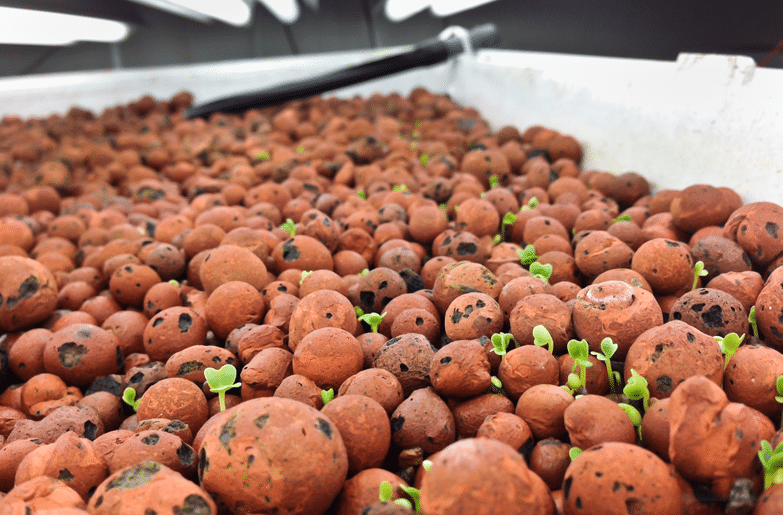
Soil is not a suitable replacement for expanded clay pebbles, because the water drains through it too quickly and plants will have difficulty accessing moisture deep in the soil - leading to root rot or fungus growth on top of your container's surface. It also increases the likelihood that you'll over-water and wastewater by having excess runoff from rain or watering cans flowing out of your pot. Clay pellets are often used as a sort of stepping stone between traditional planting mediums (such as compacted compost) and Hydroton bricks.
Soil is full of holes that allow air to flow through it
The most important thing when using Hydroton clay pebble is the fact that they are porous. This makes it possible for water to be easily absorbed by the plant's roots, instead of running straight through and out onto your floor or into your drainage system.When planting new seeds or seedlings, make sure there's enough space between each one so they don't compete too much for nutrients from light and soil
Tips on using Hydroton
Hydroton clay pebbles are incredibly versatile! Make sure to read the product label or instructions for how much water they need, as well. They can be used with any type of plant that does best in a container like tomatoes and herbs.
Flowers can be difficult to move in high heat, but by using lightweight pebbles instead of clay or plastic pots you'll find your plants much easier to transport.
Another great idea is planting large bushes such as rhododendrons with them - this helps support their weight while still giving the roots plenty of room.
The clay material will help keep plants moist without being too wet, which can cause mold issues. It also drains away excess water from your plants quickly after watering - perfect for areas where it rains often during summertime months.
Clay pebbles to raise moisture around houseplants
If you're looking to grow flowers, herbs or tomatoes in a pot that's lightweight and easy to move around on hot days, try using expanded clay. It will keep the moisture levels below ground at an optimal level without being too wet. Clay material also drains away excess water from your plant quickly after watering - perfect for areas where it rains often during summertime months.
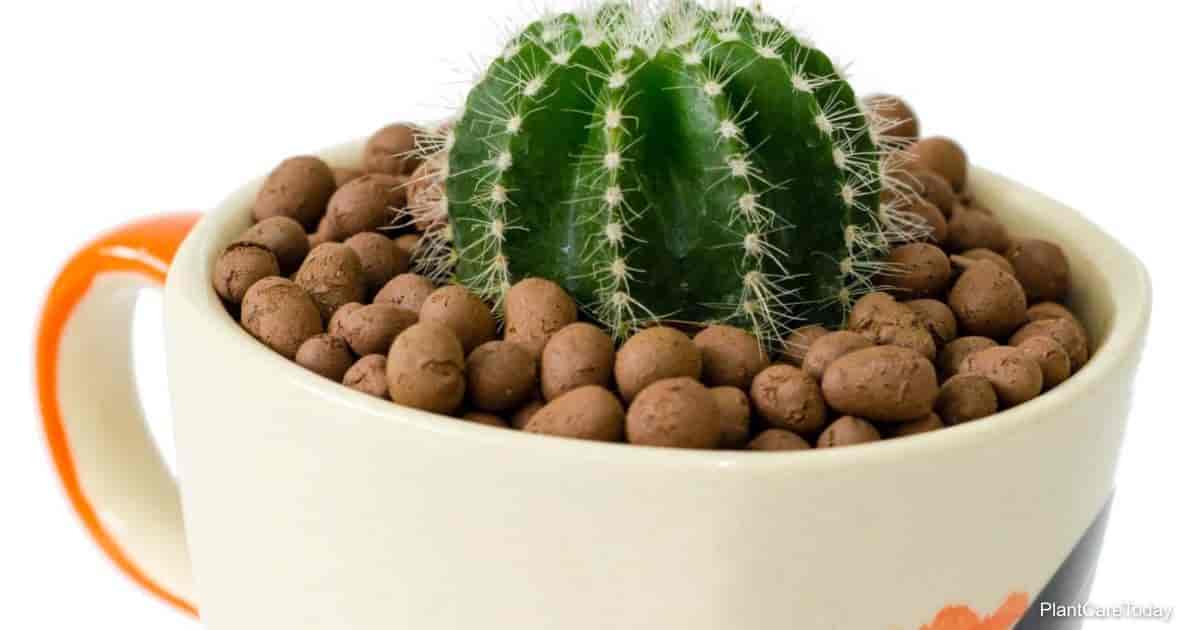
Another great idea would be to use clay pebbles around your houseplants to help prevent them from drying out. Clay will absorb the ambient moisture in the air and release it slowly, keeping plants watered for up to two months after a good soaking. The best part is that this material can be found at most gardening stores or nurseries!
Expanded clay (or Hydroton) has been used by gardeners since 1994 when its first patent was granted in Germany. For many years now, people have been using expanded clay as an alternative medium for growing flowers, herbs and vegetables because of their lightweight construction, water-retention capabilities, and high drainage rates - making them perfect for areas where rainfall is common.
Major Do’s for Hydroton Expanded Clay Pebbles
Where we recommend that you use Hydroton expanded clay pebbles:
- In a new garden bed that is subject to periods of drought.
- To supplement your current earth material in areas where the soil has been compacted or lightweight.
How we recommend you prepare your Hydroton Expanded Clay Pebbles before using them:
- Fill an area with water and let it sit for about 24 hours so that the clay will absorb any moisture from the air, which allows it to stay wet longer after watering - this helps increase drainage rates as well! You should also poke some holes near planting locations (about one inch deep) so that they can be filled up with good quality potting mix {optional}. This provides much better drainage than if there are no other drainage layers.
- Mix the Hydroton Expanded Clay Pebbles with good quality potting mix {optional}. You can either use a shovel, or you can put some water on top of your planting location and fill it up that way!
Hydroton expanded clay pebbles are very forgiving when it comes to watering. If you don't like the soil feeling moist all of the time because it's too wet, generally speaking, we recommend letting them dry out before they get watered again; if you prefer having more frequent watering cycles, then go ahead and water as often as needed! We do suggest not overwatering these soils though.
Rinse and Soak Before Use
Be sure to rinse and soak your pebbles before use. This allows them to expand and soften allowing for better air-filled pockets within the product when you water it down again.
Hydroton Expanded Clay Pebbles are made of naturally occurring clay that is found in volcanic ash deposits around the world, including here in Colorado! The unique structure of these expanded balls allows for optimal aeration, which results in healthier plant growth by providing excellent drainage while maintaining great moisture retention. These qualities make this growing medium perfect for plants such as cacti or succulents with high transpiration rates or any other type of plant that needs good drainage but also wants to remain moist during hot spells.
Add a Small Amount of Nutrients
A small number of nutrients are often added to the Hydroton when plants are first transferred and then fertilized on a monthly basis thereafter.
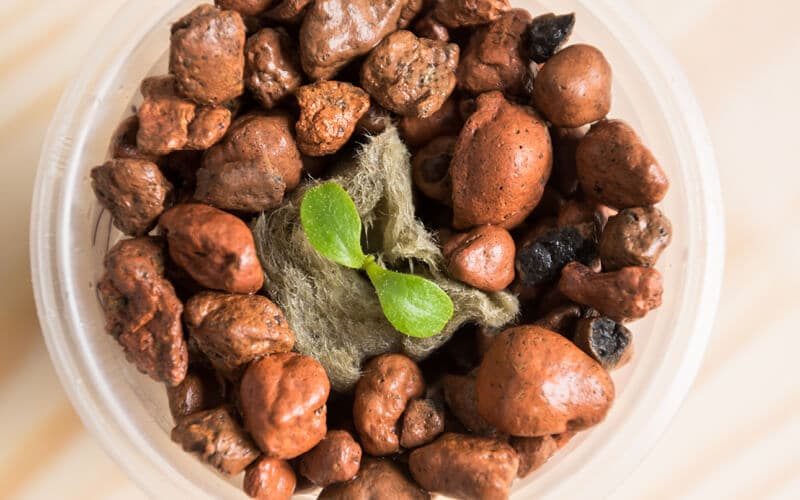
Many factors influence how much fertilizer you will need each time: for example, what type of plant it is (taller or shorter), how large your pot is in relation to the size of your plant, etcetera! In general, most plants should not go without any fertilizer for more than two weeks at a time. If you see signs of nutrient deficiency such as yellowing leaves that may have brown edges around them - use some liquid kelp extract solution immediately! Liquid kelp sucks up phosphates which help with chlorophyll production so leaf cells can capture sunlight
Replenishing water in the clay pebbles
It's actually important to replenish water in the clay pebbles every so often. This prevents them from drying out and cracking. If you notice a lack of breathability when your plants are watered, that's probably because too much air has been trapped inside the pot!
The best way to replenish water is by pouring it over top of the pebbles - this will allow for faster absorption into all areas without adding weight onto any one area more than others. With enough time, excess moisture should evaporate through natural processes and leave behind nothing but dry dust particles on top which can be washed away with a gentle jet spray or light stream of tap water.
Cleaning and rinsing the pebbles
Do not submerge the pebbles into water. This will cause them to lose their structural integrity and quickly bubble away.
It may be a good idea to get in the habit of regularly checking for debris from plants or dirt that has accumulated over time, which could potentially clog up any pores on your pot's surface. The best way is by taking an old toothbrush and brushing it against one side at a time without causing too much disturbance inside the container!
Benefits and Downsides
Main benefits and advantages:
- Easier to Clean Than Clay Pots
- The Pebbles are Waterproof, So They Won't Absorb Any Extra Moisture in the Air Around Them and Sog Up Your Pot's Inner Surface.
Main disadvantages or downsides of Hydroton Expanded Clay Pebbles:
- Can Take a While for Plants to Grow Their Roots Through The Pebbles (A Little Bit Harder on Young Seedlings)
- Might Be More Difficult To Handle With Limited Strength In One Hand Due To Size And Weight; Though This Isn’t A Big Deal For Most People. Hydroton is also more difficult to move from location to location than other potting mediums since they're so heavy!
Problems that might arise
If your plant dries out and you don't realize it, then the roots may start to rot.
This can lead to a number of problems: the plant will be more susceptible to pests that invade because they're not healthy enough (i.e., Spider Mites). It's also possible for root-rotting fungi or other pathogens to set in which will make it difficult for them to grow back! If this is happening, there are some things you can do about it but we recommend seeking professional help if at all possible.
Mineral deposits due to using tap water
Tap water is not recommended for potting plants because it contains minerals that can lead to mineral deposits.
To reduce the risk of this happening, use distilled water or a plant safe filter.
The best option is to just avoid tap water altogether and buy bottled distilled water instead! It's more expensive in some areas but you'll know that your plants are getting clean drinking water without any extra added chemicals like fluoride (which most people don't need). The long-term benefits will be worth the cost if you're committed to healthy living with houseplants for years to come!
Cons of Hydroton
The disadvantages of using Hydroton are:
- Expensive - You'll need less than what you would normally buy but will spend even more money on it! This just becomes an added cost that most people don't want.
- Requires A Lot Of Soil - If this isn’t something you usually do or enjoy then I recommend checking out some other options instead because there are so many benefits to getting the plants to grow faster than you can grow up to 50% more plants than you could with a soil-based system.
- Requires A Lot Of Water - The water requirements are much higher because Hydroton is heavier and holds onto the moisture, which means your plant will need twice as much water in order to thrive properly. These two points just make it seem like too much work for many people so they stay away from this option!
Best Brands to Use
Best clay pebbles brands are available on Amazon, which has the most competitive prices and a wide variety of brands.
Hydroton is one of these brands that offer expanded clay pebbles in many different sizes so you're able to find what's right for your garden or container size.
Hydroton is a quickly rising plant-growing product that will produce an increased growth rate in your plants. For those of you who are looking for something to really help make their green thumb grow, Hydroton may be the perfect fit! The cost ranges from about half a dollar per pound and can have benefits such as needing less water (and pesticide) while also being able to provide its' support during all climate conditions without any lasting effects on the quality or type of crops grown with it - making them ideal year-round!
Hydroton offers competitive prices among other brands, as well as large varieties of sizes so you're able to find what best suits your garden or container size. If you want faster plant growth rates then using Hydroton does make sense because there are benefits associated with them.
Alternatives to Expanded Clay Pebbles
What to use as an alternative is determined by your needs.
- Sand is an inexpensive and good alternative to use, but it will have a larger effect on the soil's pH levels because they are more acidic than clay pebbles.
- Peat moss can be used as well, although Expanded Clay Pebbles supply air pockets that help with drainage which means less water usage in relation to other planting materials like peat moss.
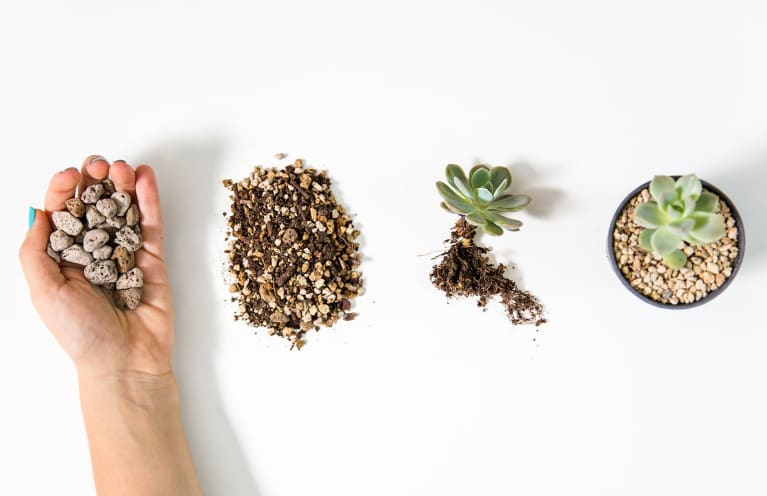
If you need something cheaper then using sand would work out for you since there are not many benefits associated with their use while Hydroton offers competitive prices among other brands and large varieties of sizes so its easy to find what best suits your garden or container size! If cost is not an issue these alternatives may appeal to you. These alternatives are the following:
- Peat moss
- Coconut Coir Fiber
- Mushroom compost
They offer air pockets that promote drainage so less water usage is needed when compared with other materials such as sand or peat moss. These factors make them an excellent choice.
Growing Plants in Clay Pebbles
What is the best, economic, and eco-friendly growing medium for plants?

There are many different types of pebble gardens that offer various benefits. They can be used in a variety of areas such as:
- Hydroponics or Aquaponics Systems
- Aquariums
- Water Garden Containers
- Top Fill Decorative Ponds (Or Low Profile)
In addition to those listed above, there are also several other ways clay pebbles can serve you well! One way they could help is if your garden area faces extreme weather conditions like heavy winds or droughts because these materials have excellent drainage properties which mean less water use and more efficiency in watering plants when needed. You will find it's much easier to manage your plants on a clay pebble's surface too.
Mother Earth 714123 Hydroton Original Expanded Clay Pebbles
- Lighter than hydroballs
- Ideal Surface Structure
- Great for self-watering systems
Hydroton Expanded Clay Pebbles are a popular choice for many growers because they provide a good growing medium, as well as being eco-friendly and affordable to purchase. One of the most common questions is "are expanded clay pebbles safe?" The answer to that question lies in making sure you do not ingest them or get them inside your eyes under any circumstances! You should always wash your hands after handling these materials so that it doesn't make contact with other areas like food prep surfaces where microbes may be present.
Which plants to use moisturizing clay pebbles for
Plants to use moisturizing clay pebbles for?
Cacti, succulents, orchids are plants that thrive in this type of medium. It's important to note which plants grow well with clay pebbles because there are some varieties (such as roses) that do not prefer it and may have stunted growth when grown on them for an extended period of time!
How often should you water your Hydroton expanded clay pebble garden?
You should always make sure to check the instructions from the plant nursery before watering your plants outdoors too much. A general rule is once a week if they're indoors but never overwater so that their roots stay healthy and alive. However, keep in mind that these materials can retain a lot more moisture than other ones.Additional Uses for Expanded Clay Pebbles
In addition to using them for gardening, these materials are also great for acid-loving plants such as azaleas because they can provide the perfect environment. They're definitely a worthy investment if you want to grow your own plants without having any issues!
The benefits of expanded clay pebbles is that it's natural and environmentally friendly, making this product both practical and eco-friendly so whether you're an avid gardener or just starting out, there will be no need to worry about damaging the ecosystem when growing with these amazing substances.
Frequently Asked Questions
Can I use clay pebbles for orchids?
Yes! Clay pebbles are a good choice for orchids because they're broken down into different sizes, so you can find the one that best suits your plant's size.
You should always make sure to check the instructions from the plant nursery before watering your plants outdoors too much. A general rule is once a week if they're indoors but never overwater so that their roots stay healthy and alive. However, keep in mind that these materials can retain a lot more moisture than other ones.
Can I use clay pebbles for succulents?
Yes, clay pebbles are a good choice for succulents because they come in different sizes so you can find the one that matches your plant.
It is important to keep in mind that plants need a lot of care. They require regular watering, fertilizing and pruning. When you water your plant outdoors do not allow them to stay wet too long or they could get diseased which can be very dangerous for the overall health of the plant because it will stunt their growth as well as cause root rot. Make sure also when fertilizing outside on top soil-based planters add an inch high layer before adding any potting mix so that extra fertilizer won't wash away with heavy rains like powdery mildew spores caused by overwatering indoors where they are more vulnerable due to lack of air circulation from closed windows during cold weather months such time periods may develop mold problems dampness and a musty odor.
Can I reuse clay pebbles?
Yes! You can reuse clay pebbles as long as you remove them from the pot and allow to dry completely before using again.
It is important to keep in mind that plants need a lot of care. They require regular watering, fertilizing, and pruning. When you water your plant outdoors do not allow them to stay wet too long or they could get diseased which can be very dangerous for the overall health of the plant because it will stunt their growth as well as cause root rot.
Can I use just clay pebbles in autopots?
Yes, clay pebbles are a good choice for autopots because they come in different sizes so you can find the one that matches your plant.
It is important to keep in mind that plants need a lot of care. They require regular watering and fertilizing when using clay pebble pots outside.
Do clay pebbles absorb water?
Yes, clay pebbles absorb water because they are porous materials.
In Conclusion
The perfect decoration for the home or office, these expanded clay pebbles are a great way to both add aesthetic appeal and function. Not only do they aerate around the roots of your plants, but they also make excellent hydroponic net cups that can be used in either soil-less gardening or more traditional methods of growing flowers and vegetables. If you’ve been looking for an easy way to breathe new life into your decorating style without having to spend much time on it at all, this is it!